Making Weather Wonders: Fun and Engaging Ways to Teach Weather in Middle School
Teaching weather in middle school science doesn’t have to feel like a chore. If you’re tired of lesson plans that miss the mark or leave students zoning out, you’re not alone. Let’s explore creative weather activities and ready-to-use resources that turn your classroom into a lively hub of discovery. Get ready to simplify your lesson planning and spark genuine curiosity about weather—all while keeping students fully engaged. Join our community of passionate educators today and access your first free weather resource bundle!
Interactive Weather Lessons

Getting students excited about weather starts with interactive lessons. The secret? Mixing hands-on activities with engaging resources that captivate their interest.
Hands-On Weather Activities
Imagine your students eagerly discussing weather patterns as they create their own mini weather stations. Hands-on activities not only make learning fun but also deepen understanding. Start by having students build simple tools like anemometers or rain gauges. Anemometers can be crafted using cups and straws, turning a breezy day into a learning opportunity about wind speed. Rain gauges can be made with everyday items like plastic bottles, helping students observe rainfall accurately.
This approach transforms abstract concepts into tangible experiences. Students won’t just hear about weather—they’ll see and feel it. This hands-on approach fuels curiosity and invites exploration. Plus, it provides a sense of accomplishment as they measure and analyze their findings. The next time you discuss meteorology, your class will be buzzing with excitement.
Engaging Science Resources
Now, let’s talk resources that keep students focused. Engaging science resources are key to maintaining interest. Use vibrant visuals and interactive elements to bring lessons to life. Resources like weather maps and interactive charts are perfect tools. They illustrate complex ideas simply and clearly, making it easier for students to grasp intricate details.
Colorful, easy-to-read maps can help students track storm systems and understand weather patterns. Interactive charts allow them to predict weather trends based on real data. When students interact with materials that are both informative and engaging, their learning experience is enriched. They gain confidence in interpreting data and making predictions, skills that are valuable beyond the classroom.
Creative Weather Experiments

Once you’ve captured their interest, dive deeper with creative experiments. These experiments are designed to spark wonder and encourage scientific thinking.
Simple Classroom Weather Tools
Creating simple weather tools in the classroom can be a game-changer. Thermometers and barometers made from basic materials can illustrate temperature and air pressure changes. Using a clear plastic bottle, water, and a straw, students can create a basic thermometer. Watching the water rise and fall with temperature changes cements abstract concepts in their minds.
Barometers can be crafted using a balloon, jar, and straw, helping students visualize air pressure changes. These tools give students direct interaction with weather concepts, making lessons more memorable. Building these tools fosters a sense of accomplishment, enhancing their confidence in understanding complex science topics.
Fun Weather Challenges
Challenge students with weather-related tasks to boost engagement. Assigning a task like predicting weather changes based on cloud types or wind patterns can be both fun and educational. Encourage students to keep weather journals. They can track daily weather conditions, record observations, and note patterns over time.
This kind of challenge not only strengthens observational skills but also promotes critical thinking. Students will love seeing their predictions play out, making learning feel like a personal achievement. Plus, it sets the stage for deeper inquiry into how weather affects our world.
Streamlined Lesson Planning
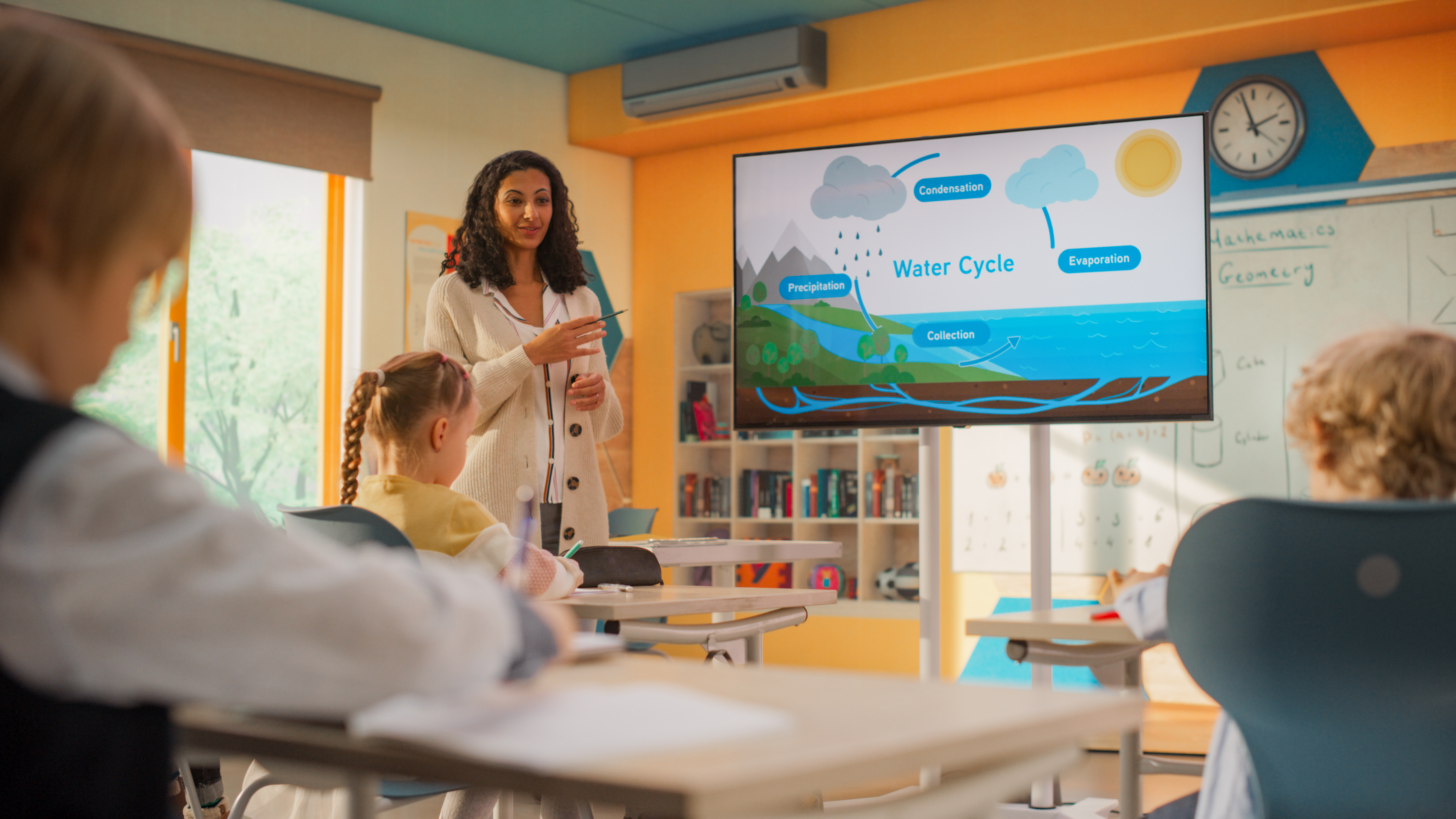
Streamlining your lesson plans ensures you have more time for what matters—teaching and inspiring. Let’s explore how easy it can be to prepare engaging weather lessons.
Ready-to-Use Weather Resources
Ready-to-use resources are a teacher’s best friend. They save time and ensure lessons are both educational and enjoyable. Look for comprehensive kits that include everything from lesson plans to activity sheets. These resources are designed to simplify your planning process. With a ready-made package, you can focus on delivering dynamic lessons without the stress of preparation.
Imagine having a full week of weather lessons planned with just a few clicks. This not only eases your workload but also ensures consistency in teaching. Your students will benefit from structured, well-thought-out lessons that promote active learning.
Building a Community of Educators
Joining a network of like-minded educators can be incredibly beneficial. Sharing ideas, resources, and support makes teaching a collaborative effort. Online communities and forums provide platforms for exchanging tips and experiences. Here, you can find insights on what works best in different classrooms.
Being part of such a community fosters collaboration and innovation. You gain access to a wealth of knowledge and support, making your teaching journey smoother and more rewarding. Plus, it’s a great way to stay inspired and motivated. Remember, you’re not alone in this journey—together, we can create a more engaging and effective science education experience for our students.
In conclusion, transforming weather lessons into exciting learning adventures is entirely possible. With hands-on activities, engaging resources, and streamlined planning, you’ll not only capture your students’ curiosity but also make science their favorite subject. Embrace these strategies and watch your classroom become a hub of discovery and enthusiasm!